

Adoption Details For Estrella!
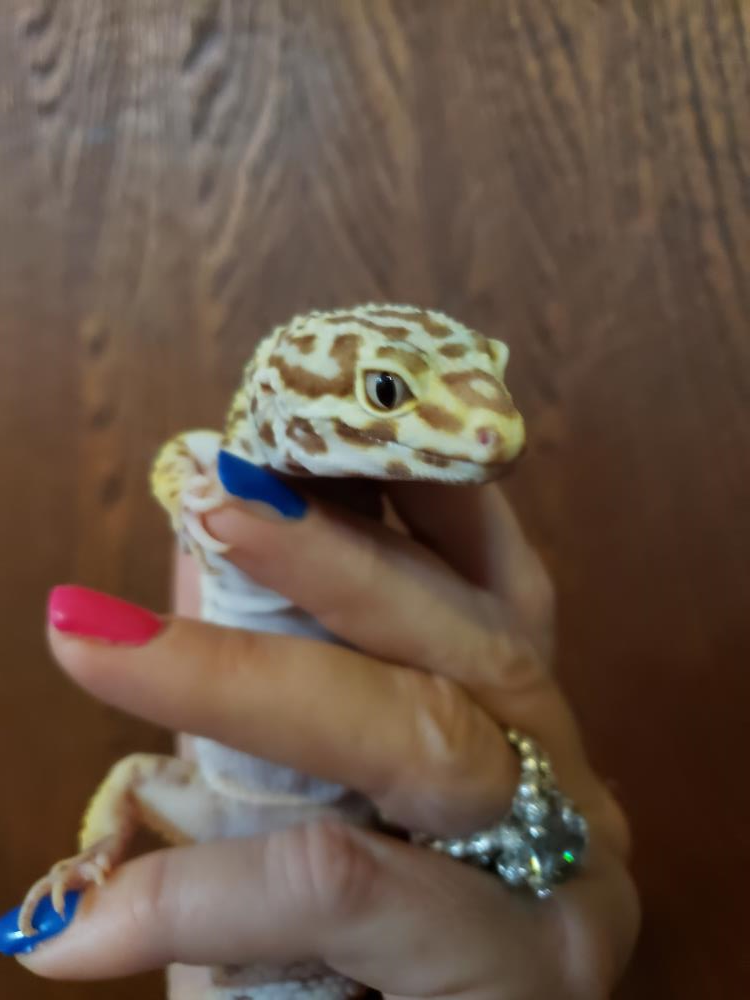
Name:
Estrella
Animal Id:
14575
Date Created:
8/26/2025 12:45:47 PM
Age:
5 Year(s) 9 Month(s) Old
Type:
Lizard
Gender:
Undetermined
Primary Breed:
Leopard Gecko
Spayed / Neutered:
No
Secondary Breed:
Microchip:
Primary Color:
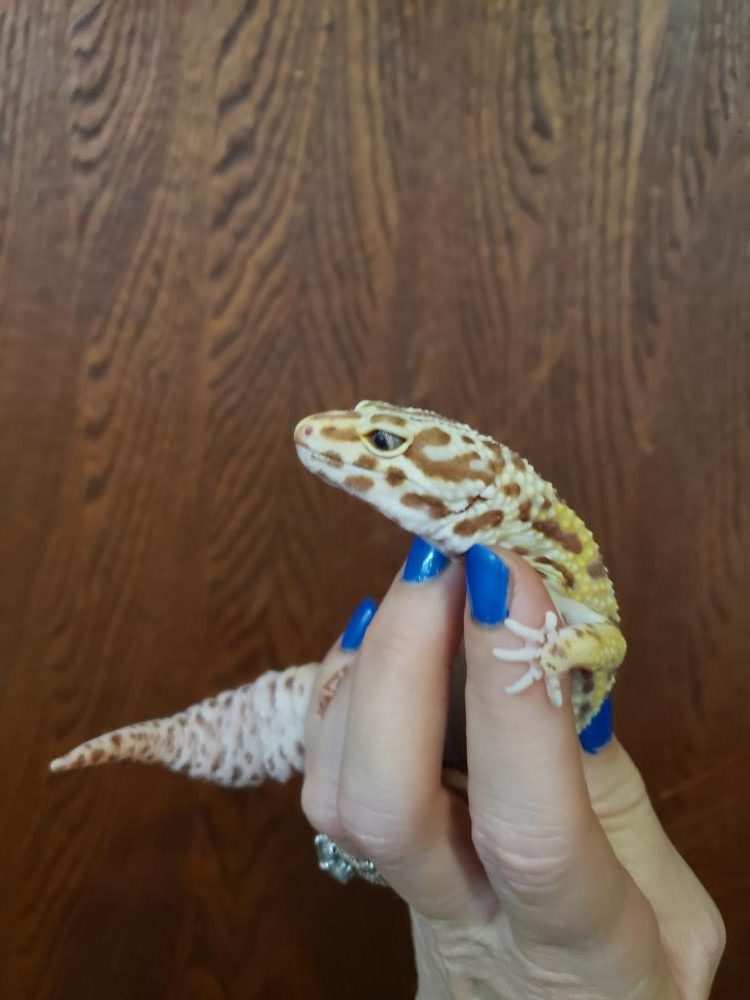
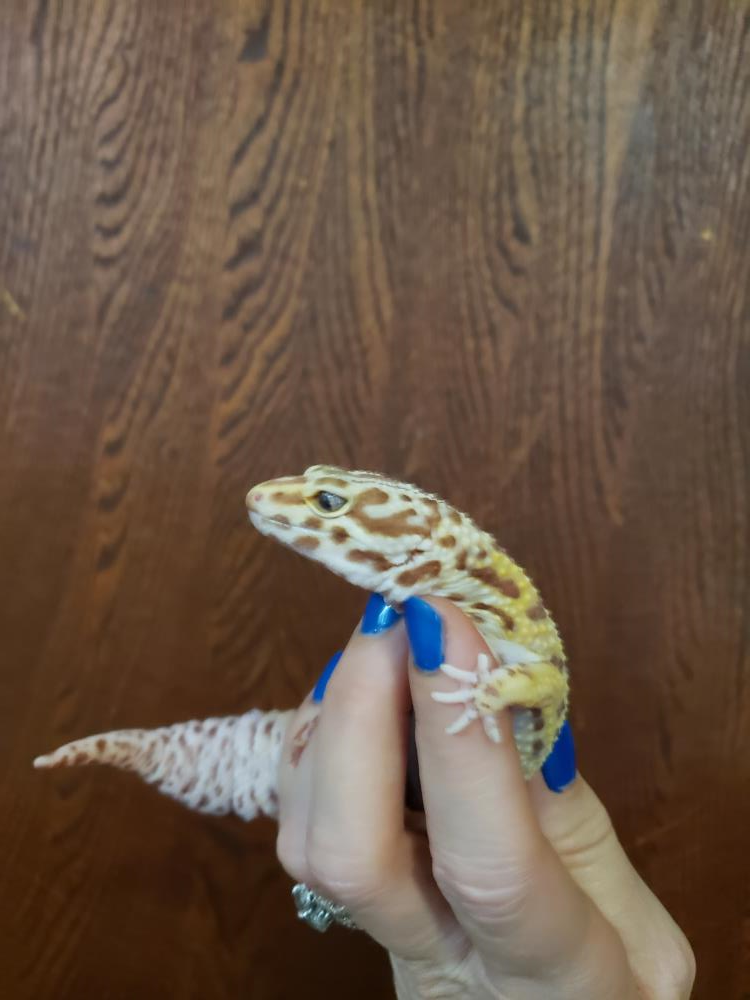
Yellow
Markings:
Secondary Color:
Brown
Pattern:
Weight:
2 oz
15 grams
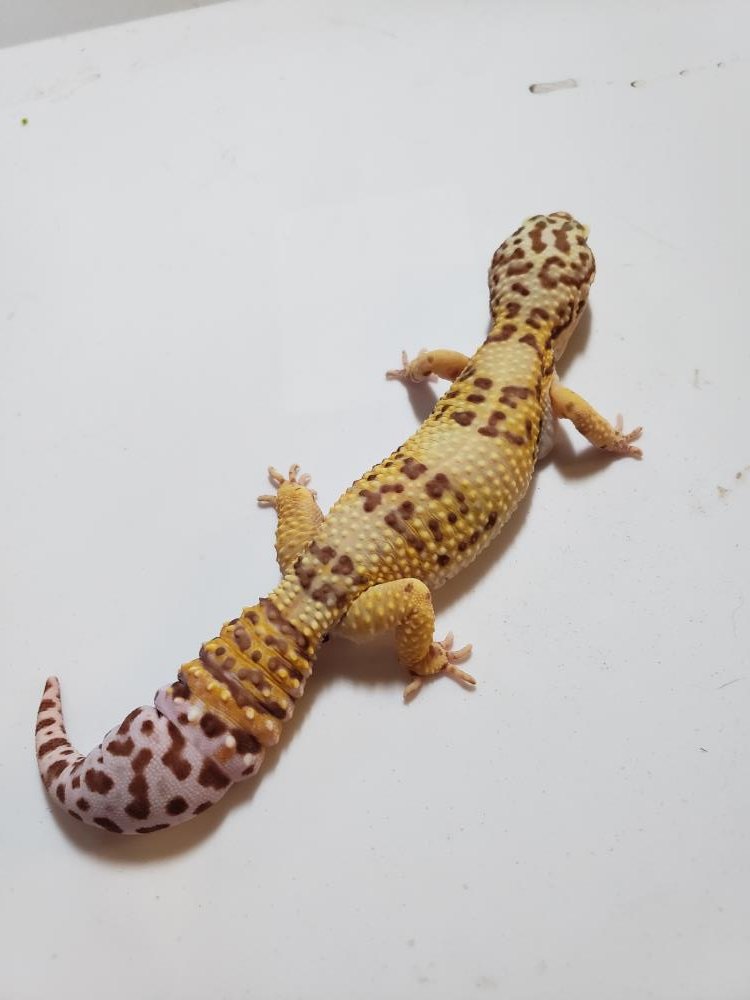
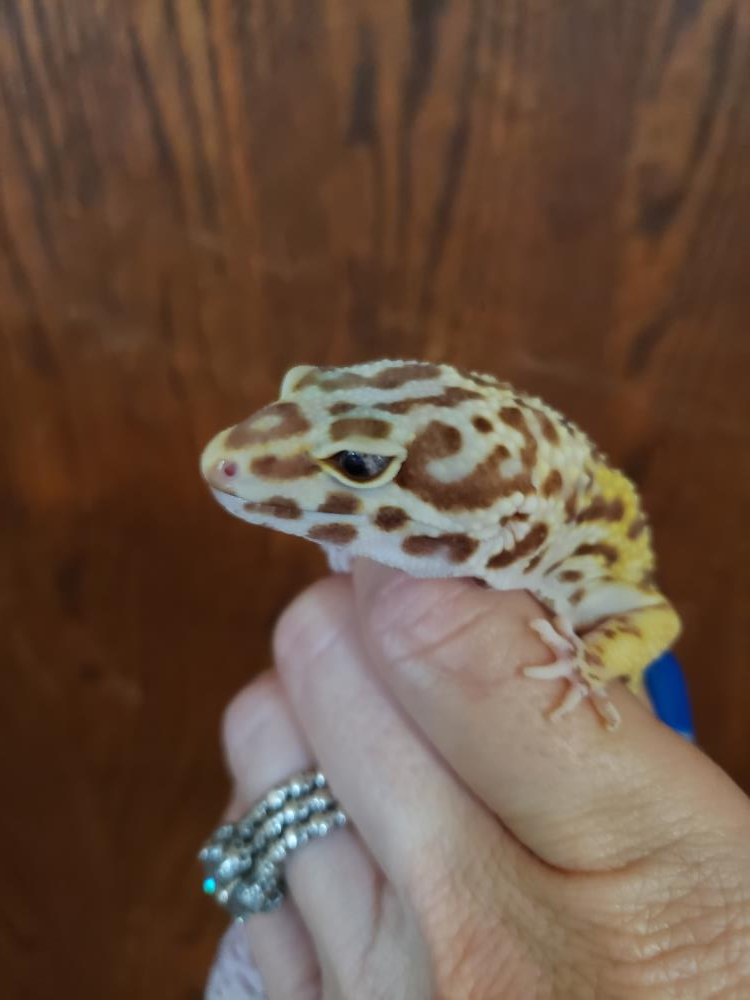
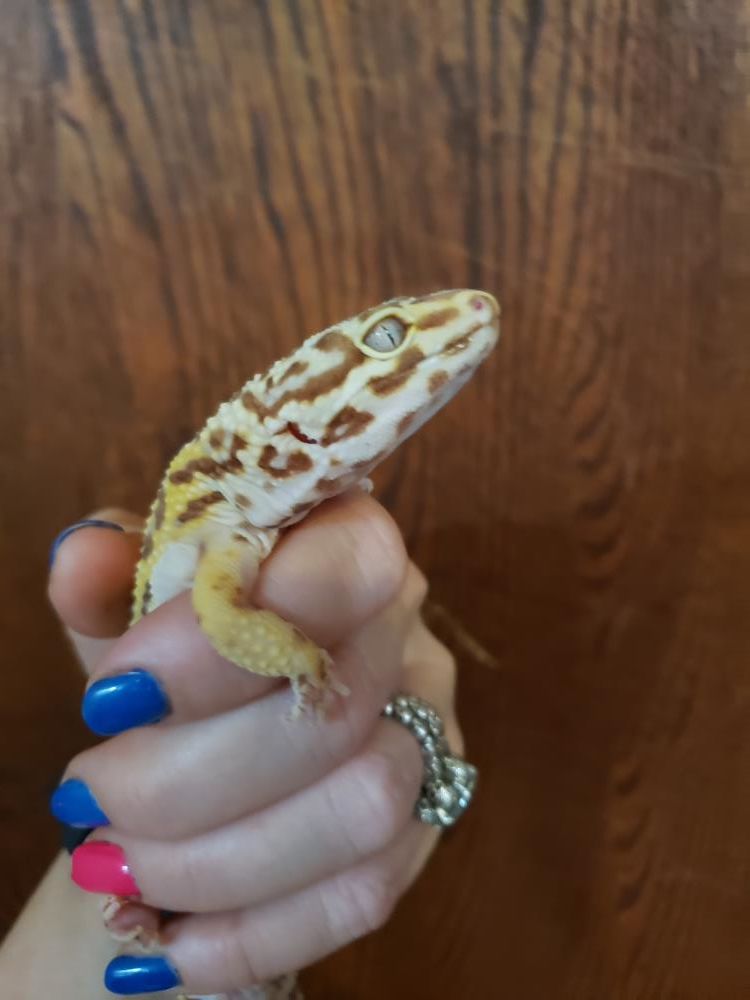
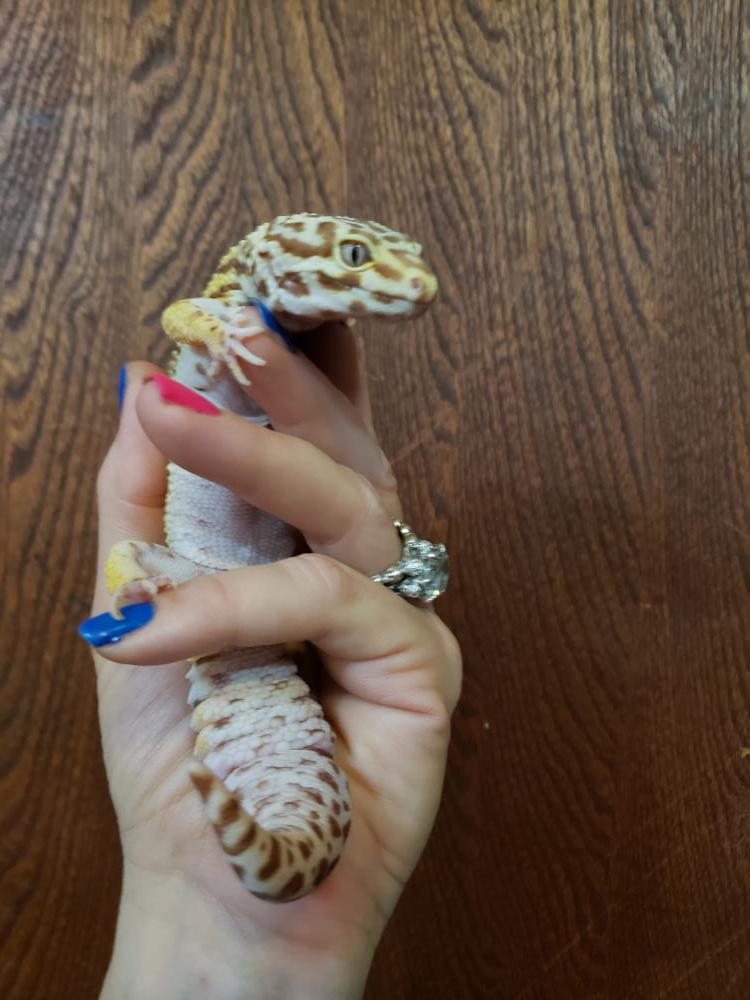
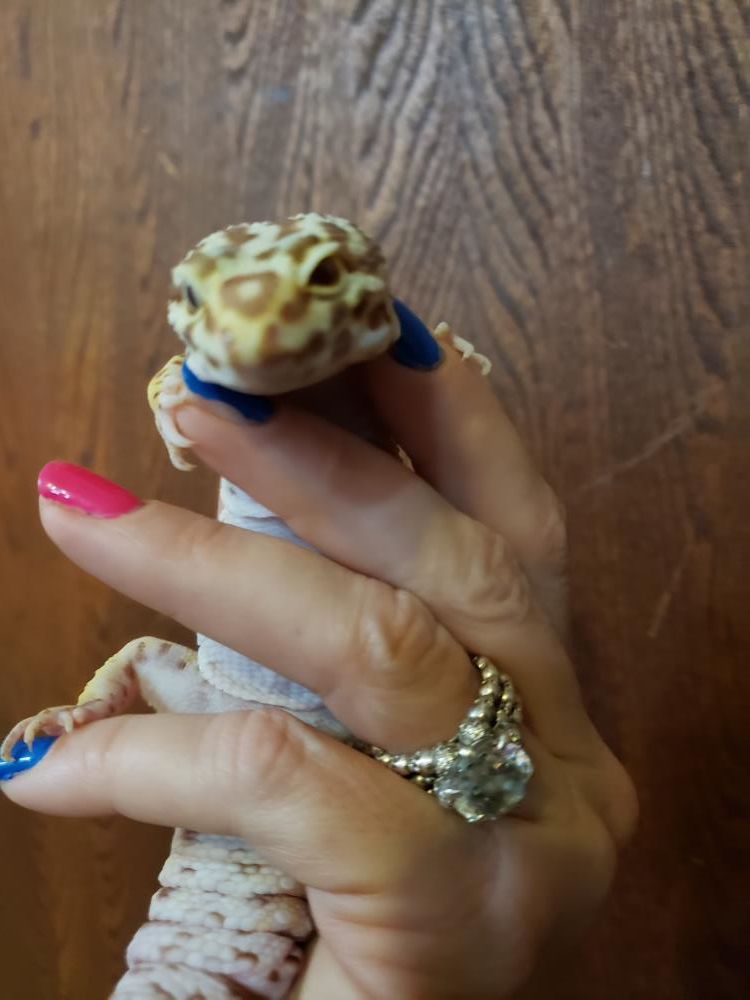
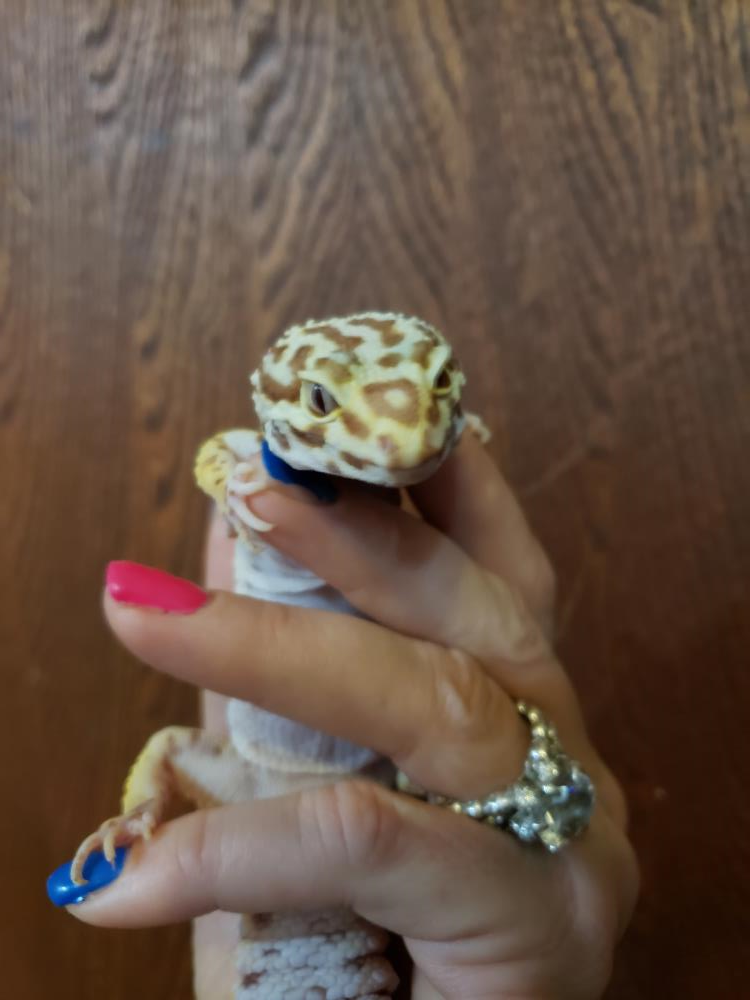
✨ New Year, New Hope — Hi, my name is Estrella ✨
I came into rescue in early September, and while my journey hasn’t been an easy one, 2026 is my year to find a patient, understanding forever family — one that sees me not for what I went through, but for the resilient little survivor I am today. 💛
Before rescue, I was surrendered to a shelter on August 16 because my previous caretaker could no longer provide the level of care I needed. I arrived with severe eye issues caused by husbandry issues, which affected my vision and temporarily impacted my appetite. I received medical care right away, including antibiotics, and while my eye condition has improved as much as medically possible, I am now stable, eating, and thriving in rescue care.
I am docile, gentle, and calm, and I do best in a quiet, predictable environment and am most active in the evenings and sometimes in the early morning. Sudden loud noises can startle me, but with consistency and respectful handling, I settle in well and show my curious side. 🌙
🦎 A Few Fun Facts About Leopard Geckos Like Me:
• We’re ground-dwelling reptiles that prefer horizontal space over height
• We’re generally calm and well-suited for patient, gentle keepers
• We can live 15–20+ years with proper care
• We thrive on routine, correct temperatures, appropriate humidity, and secure hides
🏠 Leopard Gecko Husbandry Basics:
• Enclosure: Maximum floor space that is a front opener - The rescue team will guide you
• Heating: Warm side surface temperature around 88–92°F, provided by a thermostat-controlled heat source
• Cool Side: Approximately 75–80°F
• Lighting: Low-level UVB required
• Hides: Multiple hides, including a humid hide to support healthy shedding
• Diet: Appropriately sized insects with proper calcium and vitamin supplementation
🏡 What I’m Looking For in a Home:
• A patient, attentive adopter who values proper setup and routine care
• A calm environment where I can continue to feel secure
• Someone who understands that past medical issues don’t define my future
I’ve already come a long way, and I’m doing well — healthy, eating consistently, and ready for the next chapter. If you’re looking for a gentle, resilient leopard gecko to welcome into your life, I might just be the one. ✨
💛 If you’re ready to give me a safe, loving home, please click the Adoption Application button below — I can’t wait to meet you.
✨ PLEASE NOTE:
1️⃣ We can only accept applications from interested parties who are in or near San Diego County, California at this time.
2️⃣ We do not ship reptiles 🚫✈️ but may be willing to work with adopters who can travel 🚗.
3️⃣ #2 will depend on the animal you are applying for and is at the discretion of the board of directors.
Quick Reference Guide
Animal Type
Lizard
Breed
Leopard Gecko
Introduction
Leopard geckos are a crepuscular, ground-dwelling lizard native to semi-desert and arid grassland areas of Afghanistan, Pakistan, India, and Nepal. They are 7-10″ (17-25 cm) long, with females generally being smaller. In captivity leopard geckos are known to live long lives: 15-20 years on average.
Difficulty
Beginner
Difficulty Notes
Basking Temp
94-97
Ambient Temp
90-92
Lowest Temp
70-77
Temp Notes
Diet
Insectivore
Diet Notes
UVA Intensity
Desert
UVB Intensity
Low/Occasional
Ferguson Zone
1
Lighting Notes
A typical leopard gecko does best with a fergusson zone of 0.5 – 1.5 however albinos should be limited to 0.5 – 0.7.
Enclosure Size
Medium Terrestrial
Enclosure Notes
A low flat enclosure with lots of ground space to roam is best. Enclosures of 36" wide by 18 inches deep and 12 inces high are a good a readily availalbe starting size.
Substrate
Sand/Soil Mix
Substrate Notes
Dry substrates that wont hold on to too much humidity is preferred. never use calcium sand or any sand that has dyes.
Humidity
Low (0-30%)
Humidity Notes
Leopard geckos should have an ambient hunmidity of 30-40% but also access to a humid hide of 70-80% so that they can self regulate. This is especially important to promote good shedding.
Animal Reference Material:
| Category | Title | AnimalType | Breed | |
|---|---|---|---|---|
| Animal Care | *Reptile Rescue Care Standards For Lizards | Lizard | ||
| Animal Care | *SBRSC Leopard Gecko Information Guide for Adoption | Lizard | Leopard Gecko | |
| Animal Care | Leopard Gecko Care: Housing, Feeding and Handling | Lizard | Leopard Gecko | |
| Animal Care | Leopard Gecko Naturalistic Substrate | Lizard | Leopard Gecko | |
| Animal Care | Lizard UVB Lighting: What you need to know! | Lizard | ||
| Blog | [VIDEO] Is a Leopard Gecko right for me? | Lizard | Leopard Gecko | |
| Blog | Custom Large Lizard Enclosure Considerations | Lizard |